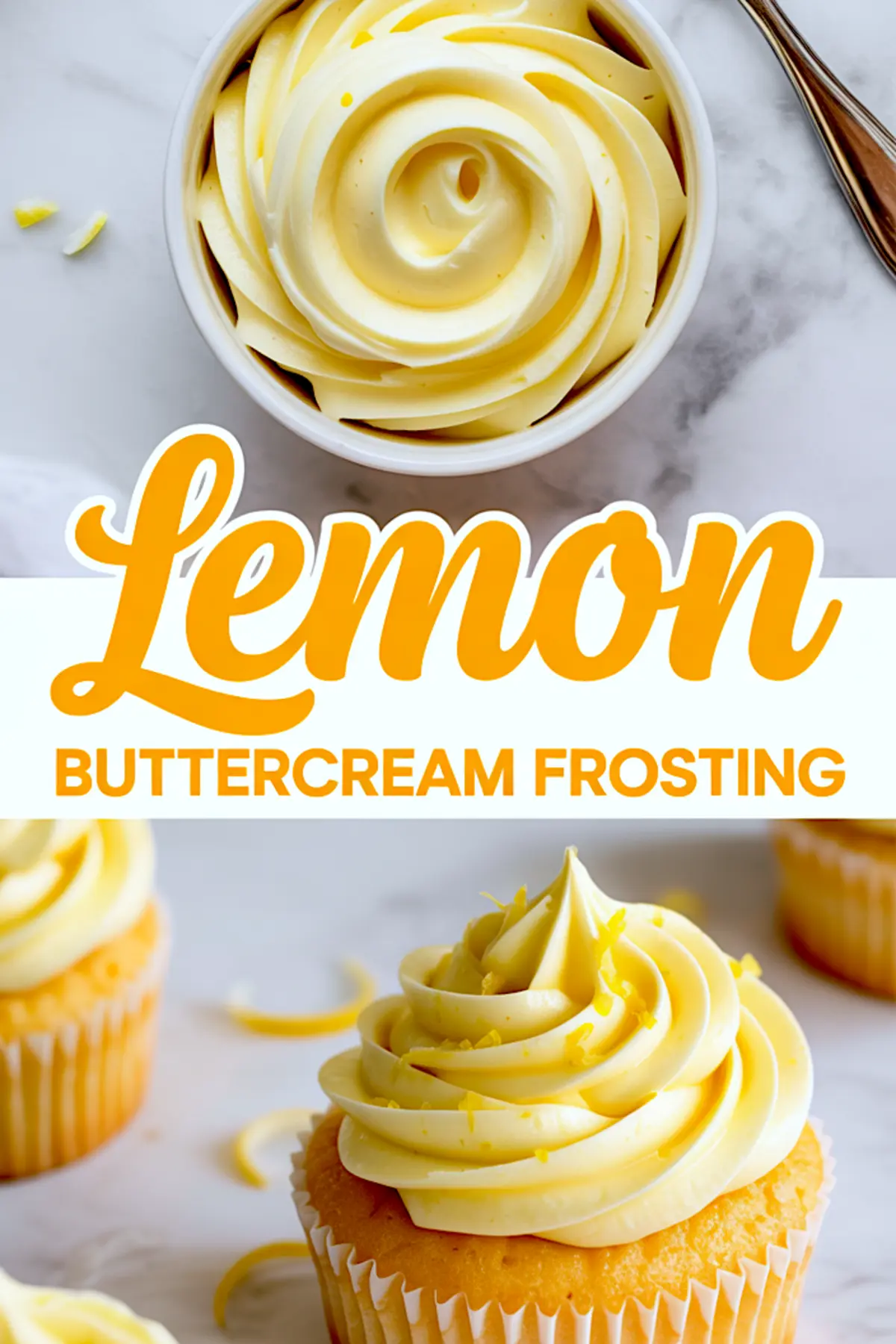
There's something truly magical about lemon. Its bright, zesty aroma and tangy flavor have a unique ability to uplift spirits and tantalize taste buds. When infused into a classic buttercream, it transforms a simple topping into an extraordinary experience – a ray of sunshine in every bite. Lemon buttercream frosting isn't just a delight; it's a testament to the power of fresh ingredients and a balanced approach in baking. But achieving that perfect balance of tangy, sweet, creamy, and pipeable can be a baker's delightful challenge.
Many home bakers dream of a lemon buttercream that boasts intense, fresh lemon flavor without being overly sweet or, worse, curdled. It's a delicate dance between the acidic brightness of citrus and the rich, smooth texture of a classic buttercream. If you've ever faced a frosting that looked more like cottage cheese than a cloud of deliciousness, you know the frustration. This comprehensive guide will equip you with the secrets to master this beloved frosting, ensuring your next creation is nothing short of perfection.
The Quest for Perfect Lemon Buttercream Frosting: A Balancing Act
The journey to an exceptional lemon buttercream frosting often begins with understanding its inherent complexities. Unlike vanilla or chocolate buttercreams, lemon introduces a significant amount of acidity, which can throw off the delicate emulsion of butter and sugar. This is where many aspiring bakers encounter the dreaded "curdled" appearance.
The Curdling Conundrum: Understanding the Challenge
Why does lemon juice sometimes make buttercream look curdled? The simple answer lies in chemistry. Lemon juice is highly acidic, and when it interacts with the fat and dairy proteins in butter and cream, it can cause them to separate or clump. This isn't necessarily a sign of spoilage, but it certainly isn't the smooth, luscious texture we crave for our desserts. The goal is to introduce that vibrant lemon essence without disrupting the frosting's creamy integrity.
Overcoming this challenge is paramount. The secret, as many experienced bakers will attest, is a precise balance of liquid to confectioners' sugar. The sugar acts as a stabilizer, absorbing excess moisture and creating a structure that can withstand the acidity. Additionally, the type of liquid you choose makes a world of difference. Relying solely on lemon juice for all the liquid content in a buttercream can almost guarantee a curdled outcome. We need a hero ingredient to ensure that rich, creamy consistency.
Fresh vs. Artificial: Why Real Lemon Reigns Supreme
When it comes to lemon buttercream frosting, there's no substitute for fresh lemons. While lemon extracts can provide a concentrated citrus note, they simply cannot replicate the nuanced aroma and bright, authentic flavor that fresh lemon zest and juice impart. Artificial flavorings often lean towards a one-dimensional, sometimes even candy-like, lemon profile, lacking the complexity and natural tang of the real fruit.
Using fresh lemons allows you to harness both their aromatic oils (found in the zest) and their vibrant juice. The zest is particularly crucial, as it contains intense essential oils that contribute a profound depth of flavor and a beautiful fragrance without adding significant liquid. This dual approach ensures your frosting tastes genuinely of lemon, not just "lemon-flavored." Embrace the fresh lemons; your taste buds will thank you.
Crafting Creamy Perfection: Essential Ingredients & Techniques
Creating truly outstanding lemon buttercream frosting involves more than just mixing ingredients; it’s about understanding their roles and employing proper techniques. Each component plays a vital part in achieving that desired silky, tangy, and sweet balance.
The Power Players: Ingredients for Success
- Unsalted Butter: This is the foundation of any buttercream. Always opt for unsalted butter, softened to room temperature. Different brands of salted butter contain varying amounts of salt, making it difficult to control the overall flavor profile. Softened butter creams beautifully, incorporating air to create a light and fluffy base. If your butter is too cold, it won't cream properly; too warm, and your frosting might be too soft or greasy.
- Powdered Sugar (Confectioners' Sugar): Also known as icing sugar, this finely milled sugar is essential for a smooth, lump-free frosting. Its fine texture dissolves easily, and crucially, it provides the bulk and stability needed to counteract the liquid from the lemon juice. As discussed, it’s key to have enough powdered sugar to battle the acidity and prevent curdling.
- Fresh Lemon Zest: The true secret weapon for intense lemon flavor. The zest contains concentrated oils that deliver a powerful aroma and taste without adding tartness. Use a microplane or fine grater to zest only the bright yellow part of the lemon, avoiding the bitter white pith underneath. Zesting before juicing can also make the process easier. The zest of one average lemon is a good starting point, but don't hesitate to add more for an extra lemony kick.
- Fresh Lemon Juice: This provides the signature tangy kick and a touch of necessary liquid. To maximize juice extraction, roll the lemon firmly on the counter for a few seconds before slicing and juicing, or even microwave it for 10-15 seconds. While essential, remember this is the liquid that needs careful balance with the sugar and other creamy elements.
- Heavy Cream (or Double Cream): This is the unsung hero that ensures a genuinely creamy and thick consistency, effectively preventing the curdling situation that arises from using lemon juice alone. Heavy cream adds richness and stability, contributing to a wonderfully pipeable and luscious texture. Do not substitute it out! It’s the key to achieving that velvety consistency reminiscent of vanilla buttercream but with a fresh lemon twist.
- A Pinch of Salt: A tiny bit of fine sea salt can miraculously enhance all the flavors, balancing the sweetness and brightening the lemon.
Mastering the Method: Beyond Just Mixing
Once you have your ingredients ready, the technique matters. Start by creaming the softened butter on its own until it's light and fluffy, usually 3-5 minutes with an electric mixer. This incorporates air, making the buttercream airy and less dense. Gradually add the powdered sugar, one cup at a time, mixing on low speed to prevent a sugar cloud, then increasing speed to incorporate fully. Once all the sugar is in, alternate adding the lemon juice and heavy cream, mixing well after each addition. This careful layering helps build a stable emulsion. Finally, beat in the lemon zest. Whip the frosting on medium-high speed for another 3-5 minutes until it's light, fluffy, and perfectly pipeable. Scrape down the sides of the bowl frequently to ensure everything is evenly mixed.
Troubleshooting and Unleashing Your Lemon Buttercream's Potential
Even with the best intentions and ingredients, baking can sometimes throw a curveball. The good news is that most issues with lemon buttercream frosting are easily remedied, leading you straight to frosting nirvana.
Saving a "Curdled" Batch: A Baker's Best Friend
If your buttercream looks a little grainy or curdled, don't despair! This often means your butter was too cold, or there wasn't quite enough sugar to absorb the liquid. Try one of these fixes:
- Keep Whipping: Sometimes, it just needs more time. Continue beating the frosting on medium-high speed for another few minutes. The friction from the mixer can slightly warm the butter and help it emulsify.
- Add More Powdered Sugar: If it's too liquidy and curdled, slowly add another ¼ to ½ cup of powdered sugar, beating well after each addition until it thickens and smoothes out.
- Gentle Warming: If your butter was too cold, try taking a small amount (about ½ cup) of the frosting and gently warm it in the microwave for 5-10 seconds, or in a double boiler, until just barely melted. Add this back to the main batch and whip vigorously. This can help re-emulsify the mixture.
- Chill Slightly: If your frosting is too soft or greasy (often indicating butter that was too warm), chill the entire bowl in the refrigerator for 10-15 minutes, then re-whip until fluffy.
From Cupcakes to Cakes: Versatile Applications
The beauty of a perfectly executed lemon buttercream frosting lies in its versatility. It's not just a topping; it's a star in its own right, enhancing a wide array of desserts. Naturally, it's the ideal partner for lemon cupcakes, creating a double dose of citrus delight. Imagine a pairing with delicate lemon buttercream frosting - Article 1 for an unforgettable treat.
Beyond the obvious, this frosting shines on:
- Lemon Blueberry Cupcakes: The tart lemon complements the sweet burst of blueberries beautifully.
- Vanilla Cupcakes or Cakes: It adds a vibrant, unexpected twist to classic vanilla.
- White Chocolate Strawberry Cupcakes: The tang cuts through the richness of white chocolate and highlights the strawberries.
- Citrus or Lemon Layer Cakes: Use it as a filling and frosting for an impressive celebration cake.
- Lemon Shortbread Cookies: A dollop on top elevates a simple cookie to a gourmet delight.
- Gingerbread or Spice Cakes: The bright lemon offers a refreshing contrast to warm spices.
- Macarons or Sandwich Cookies: Perfect as a delicate and flavorful filling.
- Fruit Tarts: A thin layer under fresh fruit can add an extra dimension of flavor.
For more inspiration and techniques on creating truly spectacular lemon desserts, be sure to explore our related articles, such as lemon buttercream frosting - Article 2.
Storing Your Sunshine: Longevity Tips
One of the practical advantages of homemade buttercream is its excellent shelf life. You can prepare your lemon buttercream frosting in advance, making your baking day much smoother. Covered tightly, it will keep beautifully in the refrigerator for up to 5 days. When you're ready to use it, simply let it come to room temperature for about 30-60 minutes, then re-whip it with an electric mixer for a few minutes until it's light and fluffy again. This aeration will bring back its perfect texture.
For longer storage, buttercream can also be frozen for up to 1-2 months. Thaw it in the refrigerator overnight, then bring it to room temperature and re-whip thoroughly before piping or spreading. Always remember to taste and adjust sweetness or lemon intensity after thawing, if needed.
Mastering lemon buttercream frosting is a truly rewarding endeavor. It's about more than just a recipe; it's about understanding the nuances of ingredients, practicing patience, and developing a keen sense for balance. From battling the curdling conundrum with precise sugar and cream ratios to harnessing the unparalleled vibrancy of fresh lemons, every step brings you closer to a frosting that is tangy, creamy, sweet, and utterly irresistible. So go ahead, unleash your inner baker, embrace the sunshine, and transform your desserts with this luscious, homemade lemon delight. Don't forget to lick the spoon!
