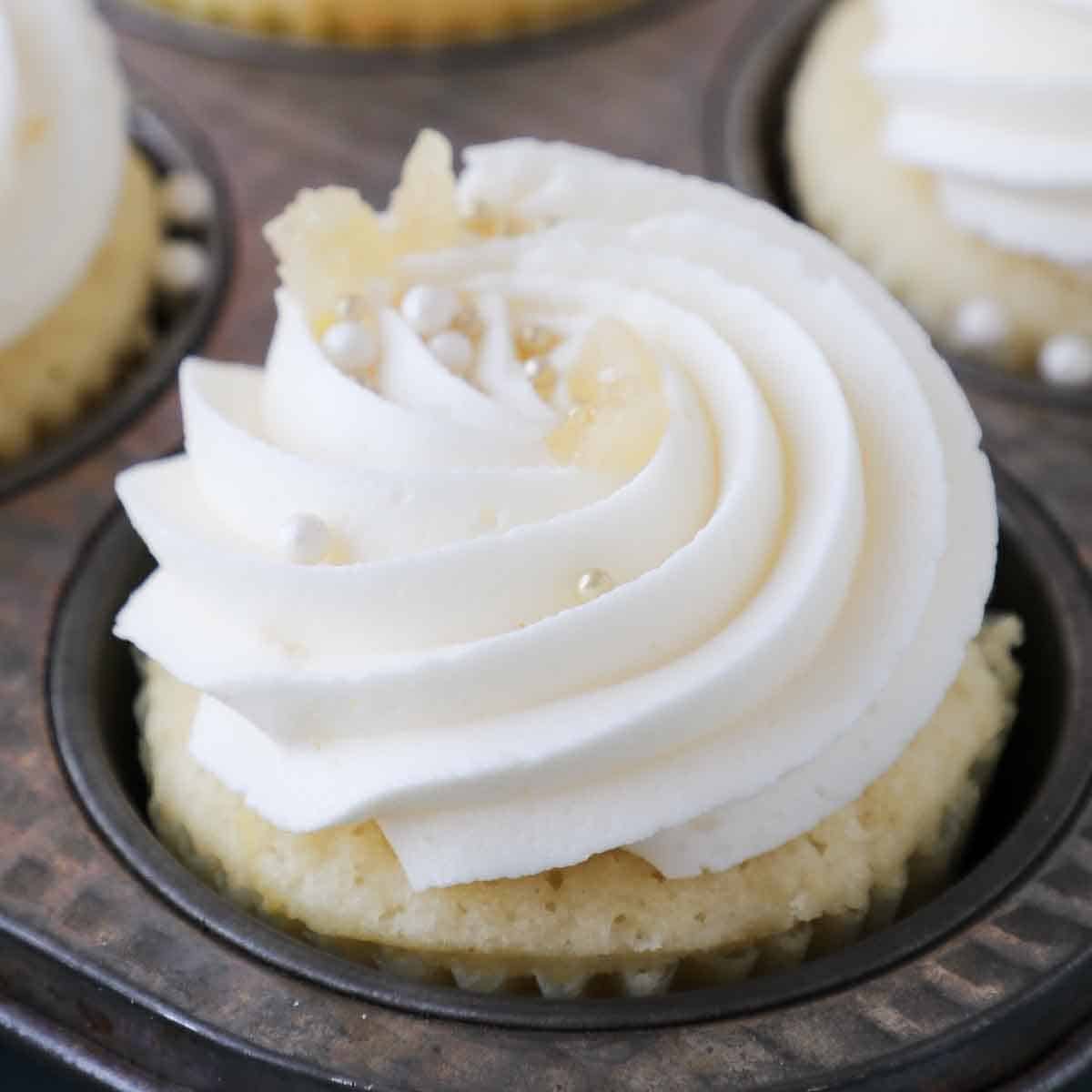
The Allure of Lemon Buttercream Frosting: A Burst of Sunshine in Every Bite
There's an undeniable magic to lemon buttercream frosting. It's more than just a sweet topping; it's a vibrant symphony of flavors that evokes images of sun-drenched days and refreshing breezes. With its bright, tangy notes beautifully balanced by a creamy sweetness, lemon buttercream stands out as a beloved classic. Whether gracing a simple vanilla cupcake or elevating an elaborate lemon layer cake, its distinctive zest and smooth texture promise a delightful experience.
For many, lemon is a flavor that sparks joy and a sense of "be happy." This luscious frosting embodies that feeling perfectly, offering a light, tart, and sweet sensation that can make you pucker into a smile. Its versatility makes it a go-to for countless celebrations, from birthdays to everyday treats, proving that a little lemon can truly brighten any occasion. But achieving that perfect balance of tangy flavor and silky-smooth consistency can sometimes feel like a culinary quest. Fear not, for we're about to unlock the secrets to truly exceptional lemon buttercream.
Unlocking the Secrets to a Perfectly Smooth & Tangy Frosting
While the concept of lemon buttercream sounds straightforward, many home bakers encounter a common dilemma: a curdled appearance. The combination of acidic lemon juice with the fats in butter can sometimes lead to a less-than-appetizing texture, a far cry from the silky smoothness we all desire. The good news? This "curdled situation" is entirely preventable with the right techniques and ingredient ratios.
The Fresh vs. Artificial Debate: Why Real Lemons Reign Supreme
One of the most crucial decisions when making lemon buttercream is your choice of lemon flavoring. While lemon extract can provide a concentrated hit of citrus, it simply cannot compare to the depth, aroma, and authentic brightness of fresh lemons. Using both fresh lemon zest and juice is non-negotiable for a truly superior frosting. The zest, in particular, contains aromatic oils that contribute a profound lemony essence without adding excess liquid, making your frosting "extra special and extra lemony." Remember to only use the yellow part of the zest, avoiding the bitter white pith underneath.
The Goldilocks Principle: Balancing Sweetness and Tang
Another pitfall can be adding too much liquid, often in the form of lemon juice, leading to that curdled look. The natural inclination is to compensate by adding more confectioners' sugar. While necessary to battle the extra liquid and provide structure, adding too much can result in an overly sweet, artificial-tasting frosting that overshadows the delicate lemon flavor. The goal is a frosting that is tangy and creamy, sweet but not cloyingly so. The secret lies in a precise balance of confectioners' sugar to liquid, ensuring you achieve the desired texture and consistency of vanilla buttercream, infused with that fresh lemon flavor.
The Game-Changing Ingredient: Heavy Cream
Here's where many recipes go wrong. Relying solely on lemon juice for the liquid component is a recipe for curdling. The breakthrough secret to achieving that luscious, thick consistency without curdling is the strategic inclusion of heavy cream. Cream ensures a creamy and thick texture, adding a much-needed fat content that helps emulsify the frosting, preventing separation. It's a key ingredient that significantly impacts both consistency and stability, making it highly advisable not to substitute it out.
Essential Ingredients for Your Lemon Buttercream Masterpiece
Crafting exceptional lemon buttercream starts with high-quality ingredients. Each plays a vital role in achieving the desired flavor and texture:
- Unsalted Butter: Always opt for unsalted butter. Different brands of salted butter contain varying amounts of salt, making it difficult to control the overall seasoning of your frosting. Ensure your butter is at proper room temperature – soft enough to indent easily but not melted or greasy – for optimal creaming.
- Powdered Sugar (Confectioners' Sugar): This fine sugar provides the bulk, sweetness, and structure for your buttercream. Sifting it before use can help prevent lumps, ensuring a perfectly smooth finish.
- Fresh Lemons: You'll need both the zest and the juice.
- Zest: Use a microplane or fine grater to remove only the bright yellow outer layer, avoiding the bitter white pith. The zest provides intense aromatic lemon flavor.
- Juice: For easier juicing, roll the lemon firmly on the counter before cutting it in half. You can also microwave a whole lemon for about 15 seconds to help release more juice.
- Heavy Cream: As discussed, this is critical for a creamy, thick, and stable buttercream, actively working to prevent curdling. Don't skip it!
- A Pinch of Salt: While not explicitly mentioned in the references, a tiny pinch of fine salt can remarkably enhance the lemon flavor and balance the sweetness, making your frosting even more irresistible.
Crafting Your Lemon Buttercream: A Step-by-Step Guide for Success
With your ingredients ready, let's dive into the process of creating your perfect lemon buttercream. The key is gradual addition and proper whipping technique.
- Cream the Butter: Begin by creaming your softened unsalted butter in a stand mixer fitted with a paddle attachment (or with a hand mixer) until it's light, fluffy, and pale in color. This incorporates air, making your frosting airy and smooth.
- Gradually Add Powdered Sugar: With the mixer on low speed, slowly add the sifted powdered sugar, one cup at a time, mixing thoroughly after each addition until fully incorporated. Scrape down the sides of the bowl frequently to ensure everything is evenly mixed.
- Incorporate Lemon Zest: Once all the sugar is added, mix in the fresh lemon zest. This allows its essential oils to infuse throughout the buttercream early on.
- Add Liquids (The Critical Step): Here's where precision matters. With the mixer still on low, gradually stream in the fresh lemon juice and then the heavy cream. Add just enough to reach your desired consistency. Increase the speed to medium-high and beat the buttercream for several minutes (3-5 minutes often works wonders). This whipping step is crucial for incorporating air and achieving that light, fluffy, and silky texture. If the frosting seems too thick, add a tiny bit more heavy cream, a teaspoon at a time. If it's too thin, a tablespoon of powdered sugar can help thicken it.
- Taste and Adjust: Always taste your frosting! Adjust for sweetness or lemon tang by adding a little more sugar or a tiny splash more lemon juice if needed. Remember to whip again briefly after any adjustments.
For more foundational buttercream techniques that can be applied to this recipe, you might want to explore our guide to classic buttercream, which delves into the mechanics of achieving perfect consistency.
Beyond the Cupcake: Creative Uses for Your Lemon Buttercream
While lemon buttercream is an absolute dream atop lemon cupcakes – a combo truly meant to be – its versatility extends far beyond. Its bright flavor makes it an excellent companion to a wide array of desserts:
- Cupcakes: Beyond lemon, it's equally delicious on white chocolate strawberry cupcakes, lemon blueberry cupcakes, or even simple vanilla cupcakes for a burst of citrus.
- Cakes: Use it as a delightful filling and frosting for a 6-inch citrus cake, a classic lemon cake, or even a poppy seed cake. It also pairs beautifully with berry-flavored layer cakes, providing a tangy counterpoint.
- Cookies: Swipe a generous dollop on top of lemon shortbread cookies, or use it as a filling for lemon sandwich cookies.
- Dessert Fillings: Consider it as a tangy filling for tarts, choux pastry, or even crepes.
- Simple Spreads: Don't limit it to baked goods! A dollop on warm scones, toast, or even a plain biscuit can transform a simple breakfast into a special treat.
Discover more delightful dessert pairings and seasonal ideas in our article on seasonal lemon desserts, where this frosting is often the star!
Storing and Reviving Your Lemon Buttercream for Success
One of the great advantages of buttercream is its make-ahead potential. Proper storage ensures your efforts don't go to waste.
- Refrigeration: You can keep your lemon buttercream frosting covered tightly in the refrigerator for up to 5 days. Before using, allow it to come to room temperature for about an hour. You'll likely need to re-whip the frosting with a mixer to restore its light, fluffy consistency. Start on low speed, then gradually increase to medium until it's smooth and spreadable again. If it feels too stiff, add a tiny splash of heavy cream or milk during the re-whipping process.
- Freezing: Yes, you can freeze buttercream frosting! Place it in an airtight container or a freezer-safe bag and store it for up to 3 months. When you're ready to use it, thaw the frosting overnight in the refrigerator. Once thawed, let it come to room temperature, then re-whip it as you would after refrigeration to bring it back to its original silky texture.
A final tip for presentation: if you plan to pipe intricate designs, consider making a double batch of frosting. Piping uses up more volume than simply spreading with a spatula, and you don't want to run out mid-decoration!
Embrace the Zesty Delight!
Crafting perfect lemon buttercream frosting doesn't have to be intimidating. By understanding the critical role of fresh ingredients, mastering the balance of sugar to liquid, and embracing the indispensable addition of heavy cream, you can confidently create a frosting that is tangy, creamy, and impeccably smooth. This bright and cheerful frosting is a testament to the simple joy that a little bit of lemon can bring to the world of baking. So, go ahead, whip up a batch, and let the sunshine in!
