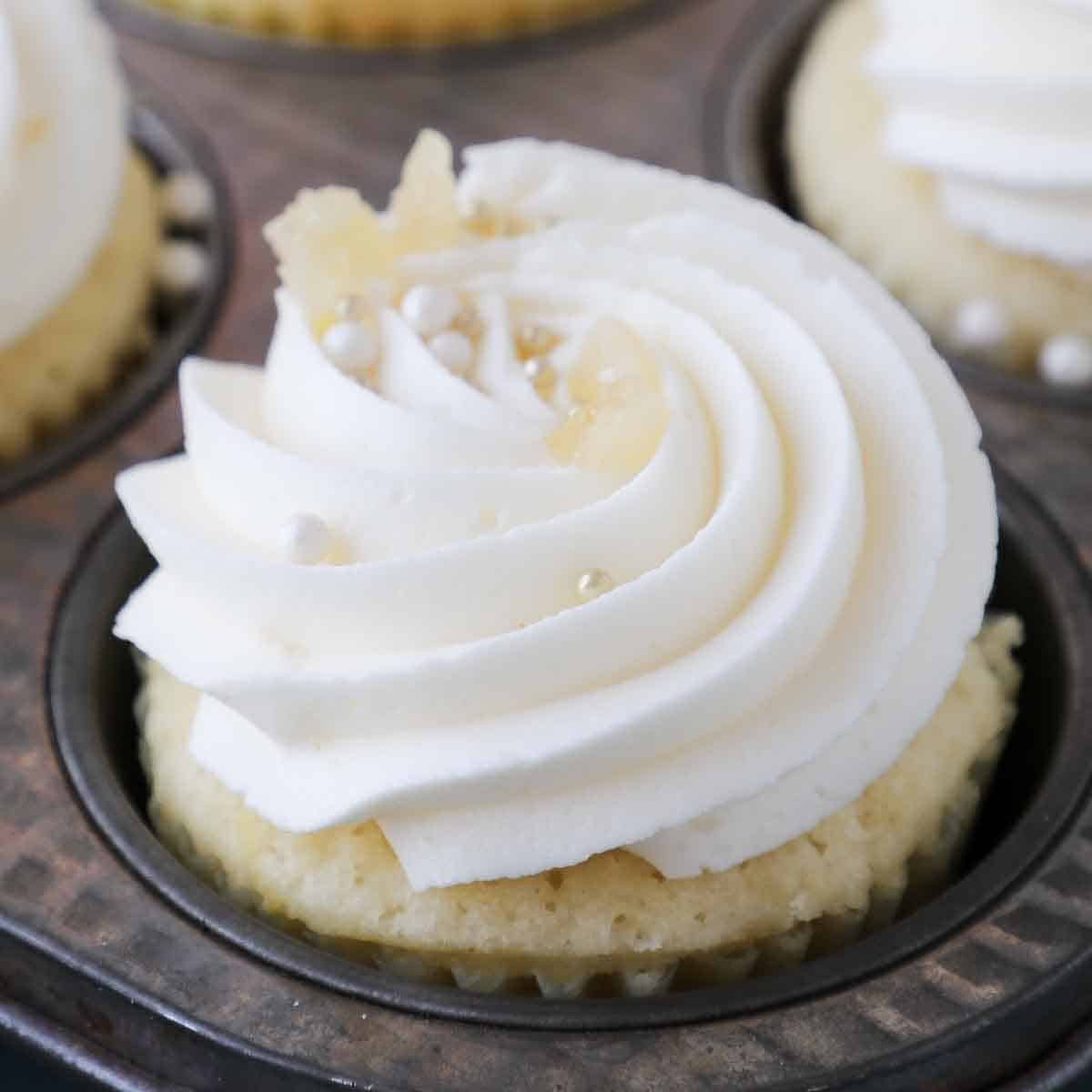
Unlocking the Zesty Perfection of Lemon Buttercream Frosting
There’s something undeniably magical about lemon. It's bright, invigorating, and possesses a unique ability to lift spirits and flavors alike. When this vibrant citrus essence meets the silky, sweet embrace of buttercream, the result is nothing short of culinary bliss: lemon buttercream frosting. This beloved topping transforms any dessert into a sun-drenched delight, offering a perfect balance of tangy zest and creamy sweetness that makes mouths pucker with joy and then smile.
While seemingly simple, mastering homemade lemon buttercream can present a few common hurdles. Many home bakers have faced the disappointment of a curdled texture or a flavor that veers too sweet or overtly artificial. But fear not! Achieving that dream consistency and authentic lemon taste is entirely within reach, and we're here to guide you to frosting nirvana.
The Quest for the Ultimate Lemon Buttercream: Tangy, Creamy, and Never Curdled
The vision of perfect lemon buttercream is clear: it should be light, airy, intensely lemony, and easy to pipe, spreading beautifully over your favorite baked goods. It should taste real, not like a synthetic imitation, and offer that signature tang without being overwhelmingly sour. Above all, it must be smooth and creamy, utterly devoid of any curdled appearance or texture.
This "holy grail" of frosting often seems elusive because lemon juice, an acidic liquid, doesn't always play nicely with butter-based frostings. The acid can cause the mixture to separate or look "broken," a disheartening sight for any baker. Many early attempts might involve relying solely on lemon juice for liquid, leading directly to this curdling conundrum. Others might overcompensate with too much confectioners' sugar, resulting in a cloyingly sweet, dense frosting that masks the delicate lemon flavor rather than enhancing it.
The secret, as experienced bakers have discovered, lies in a precise balance. It's about combining the right ingredients in the correct ratios and understanding their roles in creating that ideal tangy, creamy, and undeniably fresh lemon buttercream frosting.
Essential Ingredients for Flawless Lemon Buttercream
Crafting exceptional lemon buttercream starts with a careful selection of high-quality ingredients. Each component plays a vital role in achieving the desired flavor and texture:
- Unsalted Butter: This is the creamy foundation of your buttercream. Always opt for unsalted butter to control the overall saltiness of your frosting. Different brands of salted butter contain varying amounts of salt, making it difficult to achieve consistent results. Ensure your butter is softened to room temperature – not melted, but pliable enough to indent easily. This helps it cream smoothly with the sugar, creating a light and airy base.
- Powdered Sugar (Confectioners' Sugar): Also known as icing sugar, this finely milled sweetener dissolves quickly, yielding a smooth, lump-free frosting. It's crucial for both sweetness and structure. It battles the liquid from the lemon juice, helping to maintain a stable, pipable consistency. However, finding the sweet spot is key; too little, and your frosting might be thin or curdled; too much, and it becomes excessively sweet and dense.
- Fresh Lemon Zest: This is where the true "lemon" in lemon buttercream shines! The zest, which is the vibrant yellow outer layer of the lemon peel, contains all the aromatic oils that give lemons their incredible fragrance and potent flavor. It provides a bright, intense lemon punch without adding extra liquid, making it indispensable for a truly lemony frosting. When zesting, be sure to avoid the white pith underneath the zest, as it can impart a bitter taste.
- Fresh Lemon Juice: While contributing to the tang, lemon juice also serves as a liquid component. Its acidity is what makes it tricky, but when balanced correctly, it adds that quintessential tartness. For maximum juice yield, roll the whole lemon firmly on your countertop before cutting it in half and juicing. A quick 15-second microwave burst can also help release more juice. Always use fresh lemon juice; artificial lemon flavorings or extracts simply cannot replicate the natural aroma and vibrant taste.
- Heavy Cream: This ingredient is often the unsung hero and a vital secret to preventing curdling and achieving that luxurious, thick, and creamy consistency. Many traditional buttercream recipes use only milk or a small amount of liquid, but heavy cream, with its higher fat content, provides the stability and richness needed to counteract the acidity of the lemon juice. It ensures your frosting remains smooth and cohesive, delivering a professional-level texture. Do not substitute it out!
- A Pinch of Salt (Optional): A tiny pinch of fine sea salt can miraculously enhance the flavors, balancing the sweetness and brightening the lemon notes without making the frosting taste salty.
Mastering the Method: Avoiding the Curdled Crisis and Achieving Creamy Perfection
With your ingredients ready, the technique becomes paramount in transforming them into luscious lemon buttercream. Here’s how to navigate the process to ensure a silky, stable result:
- Start with the Butter: Begin by creaming your room-temperature unsalted butter on its own until it's light and fluffy. This aerates the butter, which is crucial for a light frosting.
- Gradually Add Sugar: Slowly incorporate the powdered sugar, one cup at a time, mixing on low speed until fully combined before increasing the speed. This prevents a sugar cloud explosion in your kitchen! Once all the sugar is in, beat on medium-high speed for several minutes until the mixture is pale and fluffy. This step is essential for dissolving the sugar and creating a smooth texture.
- Introduce Zest and Juice: With the mixer on low, add the fresh lemon zest and then the lemon juice. The mixture might look a little lumpy or even slightly curdled at this point due to the acid interacting with the fat. Don't panic! This is where the next step comes in.
- The Heavy Cream Lifeline: Pour in the heavy cream. This is the crucial moment. Once the heavy cream is added, increase the mixer speed to medium-high and beat for another 3-5 minutes. The heavy cream will emulsify the mixture, bringing everything back together into a gorgeously smooth, creamy consistency. It’s like magic! Continue beating until the frosting is light, airy, and spreadable or pipable. If you find the frosting too thick, you can add a tiny splash more heavy cream; if too thin, a tablespoon more powdered sugar.
This balance of confectioners' sugar to liquid, particularly the strategic inclusion of heavy cream alongside the lemon juice, is the secret code to unlocking lemon frosting nirvana. It delivers the perfect texture and consistency, reminiscent of classic vanilla buttercream, but infused with that irresistible fresh lemon flavor.
Versatility Unleashed: Pairing Your Lemon Buttercream Frosting
Once you’ve mastered this delectable lemon buttercream frosting, the possibilities are endless! Its bright, refreshing profile makes it incredibly versatile:
- Lemon Lovers' Dream: It's a match made in heaven with lemon cupcakes or a multi-layered lemon cake, intensifying the citrus experience.
- Fruity Pairings: Swirl it onto white chocolate strawberry cupcakes, lemon blueberry cupcakes, or even raspberry-filled cakes for a harmonious blend of fruit flavors.
- Classic Companions: Elevate simple vanilla cupcakes or a classic vanilla cake, transforming them with a burst of sunshine.
- Cookie Enhancer: Dollop it onto lemon shortbread cookies, sugar cookies, or even delicate meringue cookies for an elegant touch.
- Alternative Filling: Use it as a vibrant filling for a citrus cake, a rich chocolate cake, or even delicate French macarons.
Its tangy-sweet profile cuts through richness and adds a celebratory feel to any dessert.
Practical Tips for Success & Storage
- Temperature Matters: Ensure butter is at room temperature for optimal creaming. Cold butter will result in lumps, while melted butter will make your frosting greasy and unstable.
- Don't Overmix (After Creaming): Once your buttercream is smooth, fluffy, and at your desired consistency, avoid excessive mixing. Overmixing can sometimes incorporate too much air, making it less stable or grainy.
- Taste and Adjust: Always taste your frosting before finishing. Need more tang? Add a tiny bit more lemon juice. Too tart? A spoonful more powdered sugar.
- Storage: Lemon buttercream frosting can be stored covered in an airtight container in the refrigerator for up to 5 days. Before using, let it come to room temperature and then re-whip it with a stand mixer or hand mixer for a few minutes until it’s light and fluffy again. You might need to add a splash of heavy cream if it's too stiff.
- Freezing: For longer storage, you can freeze lemon buttercream for up to 2-3 months. Thaw it in the refrigerator overnight, then bring it to room temperature and re-whip thoroughly before use.
- Quantity for Piping: A single batch is usually enough to generously frost a dozen cupcakes with a spatula. If you plan on piping elaborate swirls or frosting a large layer cake, consider making a double batch to ensure you have plenty.
- The Best Tip of All: Don't forget to lick the spoon! It’s the baker’s prerogative and the ultimate reward for your delicious efforts.
Conclusion
Lemon buttercream frosting isn't just a topping; it's an experience. Its bright, sunshiny character has the power to uplift and delight, making every bite feel like a celebration. By understanding the critical role of each ingredient, particularly the power of fresh lemon zest and the stabilizing magic of heavy cream, you can confidently create a frosting that is truly exceptional – tangy, creamy, sweet but not overly so, and beautifully smooth every single time. So go ahead, infuse your baking with a little lemon sunshine, and prepare to spread happiness, one perfectly frosted treat at a time.
